
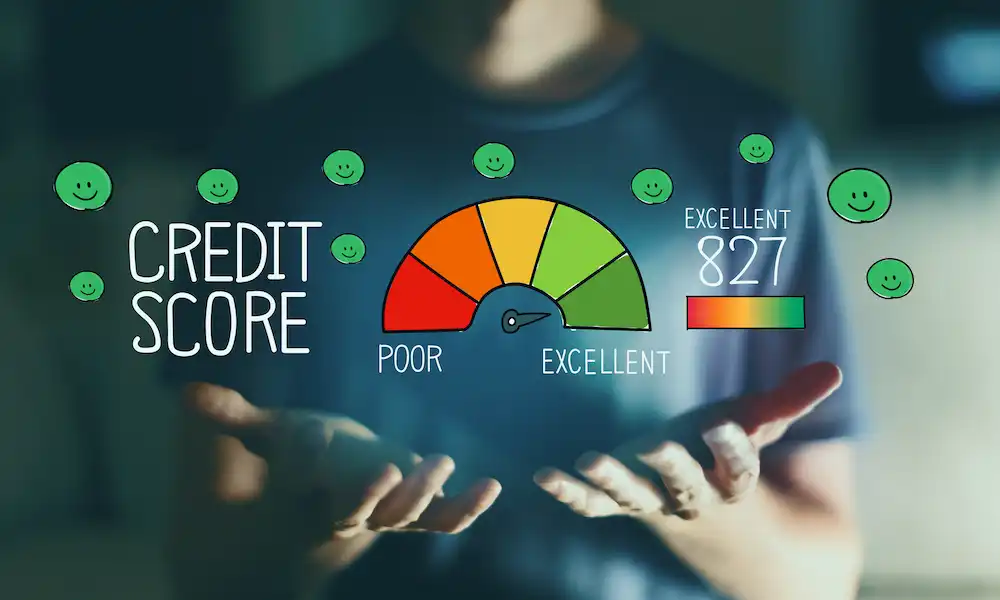
Financial well-being is closely tied to confidence in managing money. In Peterborough, many individuals carefully monitor their credit profiles, recognizing how scores influence borrowing opportunities and financial stability. However, heightened awareness can sometimes develop into credit score anxiety, affecting decision-making in subtle but significant ways.
Credit score anxiety refers to persistent worry about one’s credit standing and its potential consequences. While staying informed is beneficial, excessive concern in Peterborough can lead to overly cautious or impulsive financial choices that hinder long-term progress.
What Is Credit Score Anxiety?
Credit score anxiety arises when individuals become preoccupied with maintaining or improving their credit rating. In Peterborough, where access to mortgages, car financing, and rental housing often depends on creditworthiness, this anxiety can feel justified.
Common characteristics include:
- Frequent checking of credit reports
- Stress over minor score fluctuations
- Avoidance of necessary financial actions
- Fear of applying for credit despite genuine need
How Does Anxiety Influence Financial Decisions?
In Peterborough, credit score anxiety can shape behavior in ways that are not always beneficial. Individuals may become excessively risk-averse or, conversely, make rushed decisions to “fix” their scores quickly.
Anxiety-driven behaviors often include:
- Avoiding legitimate loan applications out of fear of rejection
- Refusing to close unused accounts despite high fees
- Paying off low-interest debt prematurely while neglecting savings
- Applying for multiple credit products in a short period to boost available limits

Why Do Minor Score Changes Cause Major Stress?
Credit scores naturally fluctuate due to routine activity such as balance updates or account age changes. In Petersborough, individuals may misinterpret small shifts as signs of financial instability.
Reasons for stress over minor changes include:
- Limited understanding of scoring models
- Overemphasis on a specific numerical target
- Social comparison with peers
- Concern about future borrowing needs
A temporary drop of a few points rarely has a meaningful long-term impact. Recognizing this can reduce unnecessary worry and encourage steadier financial planning.
How Can Anxiety Lead to Overcorrection?
When anxiety intensifies, individuals in Peterborough may attempt rapid corrective measures. These actions can unintentionally create new financial strain.
Examples of overcorrection include:
- Draining emergency savings to eliminate all credit balances immediately
- Transferring balances repeatedly without evaluating fees
- Closing long-standing accounts that contribute positively to credit history
What Are Healthy Credit Management Practices?
Managing credit responsibly in Peterborough does not require constant stress. Instead, balanced and informed habits promote both strong scores and peace of mind.
Healthy practices include:
- Reviewing credit reports periodically rather than obsessively
- Maintaining timely payments as a priority
- Keeping credit utilization at reasonable levels
- Diversifying financial goals beyond credit score improvement
How Does Financial Education Reduce Anxiety?
Knowledge plays a crucial role in alleviating credit-related stress in Peterborough. When individuals understand how scoring systems function, they are less likely to react emotionally to routine fluctuations.
Educational benefits include:
- Greater confidence in applying for necessary credit
- Improved budgeting and debt management
- Clearer distinction between productive and unnecessary debt
- Reduced reliance on myths about credit repair
With accurate information, financial decisions become guided by logic rather than fear.
Why Is Long-Term Perspective Essential?
Credit scores reflect patterns over time. In Peterborough, sustainable financial health depends on consistent behaviors rather than short-term fixes.
Adopting a long-term perspective encourages:
- Patience in building credit history
- Strategic borrowing aligned with life goals
- Balanced savings and debt repayment strategies
- Resilience during temporary financial setbacks
Takeaway
Credit score anxiety can significantly influence financial decision-making in Peterborough. While maintaining awareness of credit health is important, excessive worry may lead to avoidance, impulsive corrections, or misaligned priorities. By understanding how credit systems function, practicing balanced management habits, and maintaining a long-term perspective, individuals can make informed decisions without undue stress.
Ultimately, financial stability is built on consistent, thoughtful actions rather than fear-driven reactions to minor numerical changes.
